Cross-border ecommerce is set to transform by 2025. The global market is evolving rapidly, driven by technology and consumer demands.
Customers expect more from their online shopping experiences. They want faster shipping, personalized service, and secure transactions.
Ecommerce trends in 2025 will focus on these expectations. Businesses must adapt to stay competitive in this dynamic landscape.
Understanding global market insights is crucial. Companies need to anticipate changes and prepare for future challenges.
Sustainability and ethical practices are becoming priorities. Consumers are increasingly aware of their environmental impact.
This article explores what customers will expect from cross-border ecommerce in 2025. Discover the trends shaping the future of global commerce.
The Growth of Cross-Border Ecommerce: Global Market Insights for 2025

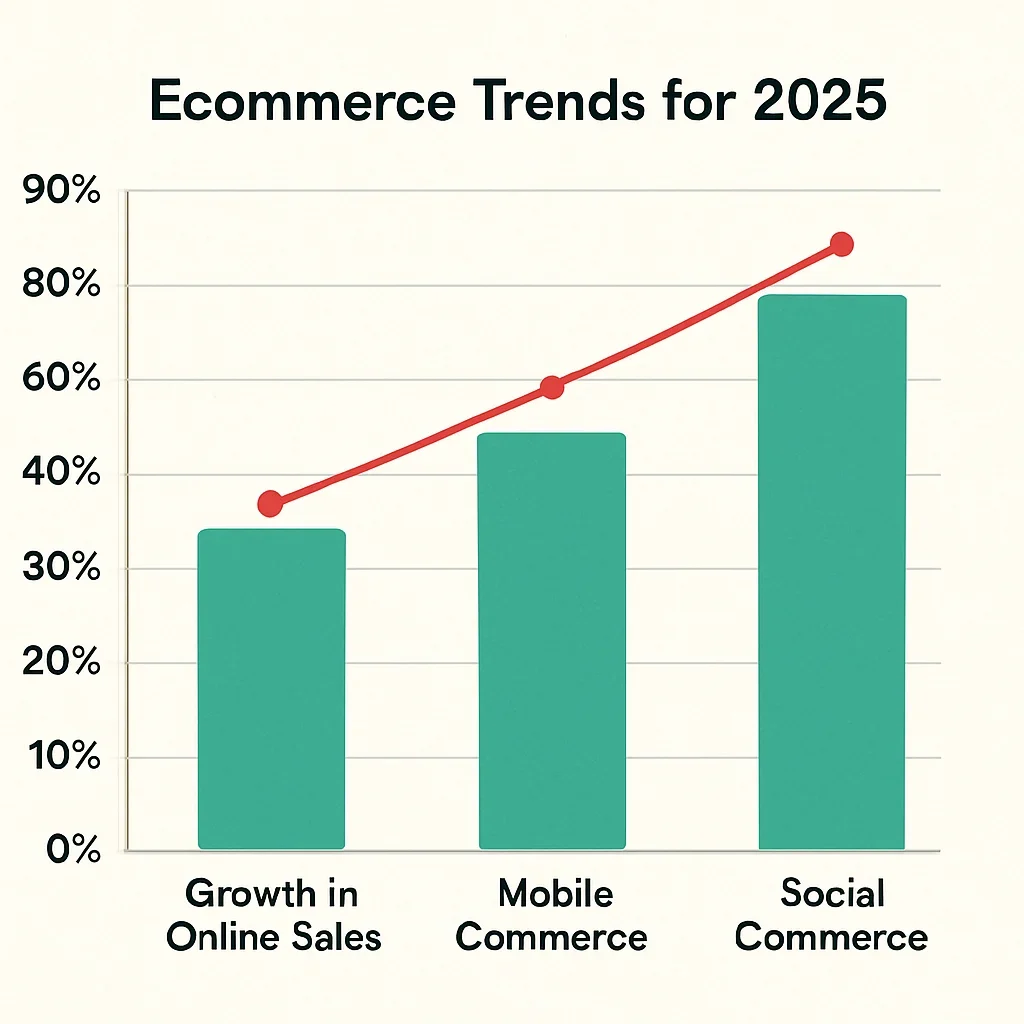
Cross-border ecommerce is on a fast track to expansion by 2025. A surge in internet access and mobile device usage fuels this growth. Emerging markets across Asia, Africa, and Latin America are leading the charge. These regions offer untapped opportunities for businesses entering the global scene.
Key drivers of growth include:
- Increased smartphone penetration
- Rising middle-class populations
- Expansion of online payment methods
Companies that harness these trends can capitalize on a burgeoning global customer base. However, challenges persist. Businesses must navigate complex logistics and regulatory landscapes. Optimizing supply chains to ensure seamless delivery will be essential.
Furthermore, local market insights will be invaluable. Understanding consumer preferences and adapting offerings are vital. Companies need to tailor their strategies to match cultural nuances and economic conditions. With strategic planning and adaptation, cross-border ecommerce growth will reach unprecedented heights by 2025. These insights are crucial for firms seeking to thrive in a competitive global market.
Key Ecommerce Trends 2025 Shaping Customer Expectations

The landscape of ecommerce is evolving rapidly, with trends defining customer expectations for 2025. Personalized shopping experiences are becoming a major trend. Consumers demand tailored content and recommendations that resonate with their individual preferences.
Social commerce is also gaining traction. Platforms now integrate shopping features into social media, streamlining the purchase process. This blurs the lines between social engagement and shopping.
Moreover, technological advancements are pivotal. Artificial intelligence and machine learning are driving personalized customer interactions. AI helps businesses analyze consumer behavior to offer relevant products and services.
The rise of digital wallets and contactless payments is another key trend. Consumers favor these methods for their convenience and security. This trend simplifies transactions and enhances customer satisfaction.
Key trends shaping 2025 include:
- Personalization and AI integration
- Social commerce evolution
- Digital and contactless payment expansion
As these trends gain momentum, businesses must adapt quickly. Understanding and implementing these changes is critical to meet customer expectations. Brands that embrace innovation will stand out in the increasingly competitive market. Aligning with these trends not only satisfies customers but also provides a strategic edge. Companies must prepare today for tomorrow’s ecommerce reality.
Fast, Reliable, and Transparent Shipping: The New Standard

by Nazarizal Mohammad (https://unsplash.com/@nazahery)
As we approach 2025, shipping expectations in cross-border ecommerce are dramatically increasing. Customers demand not only speed but also reliability. This is pushing companies to refine their logistics and supply chain strategies.
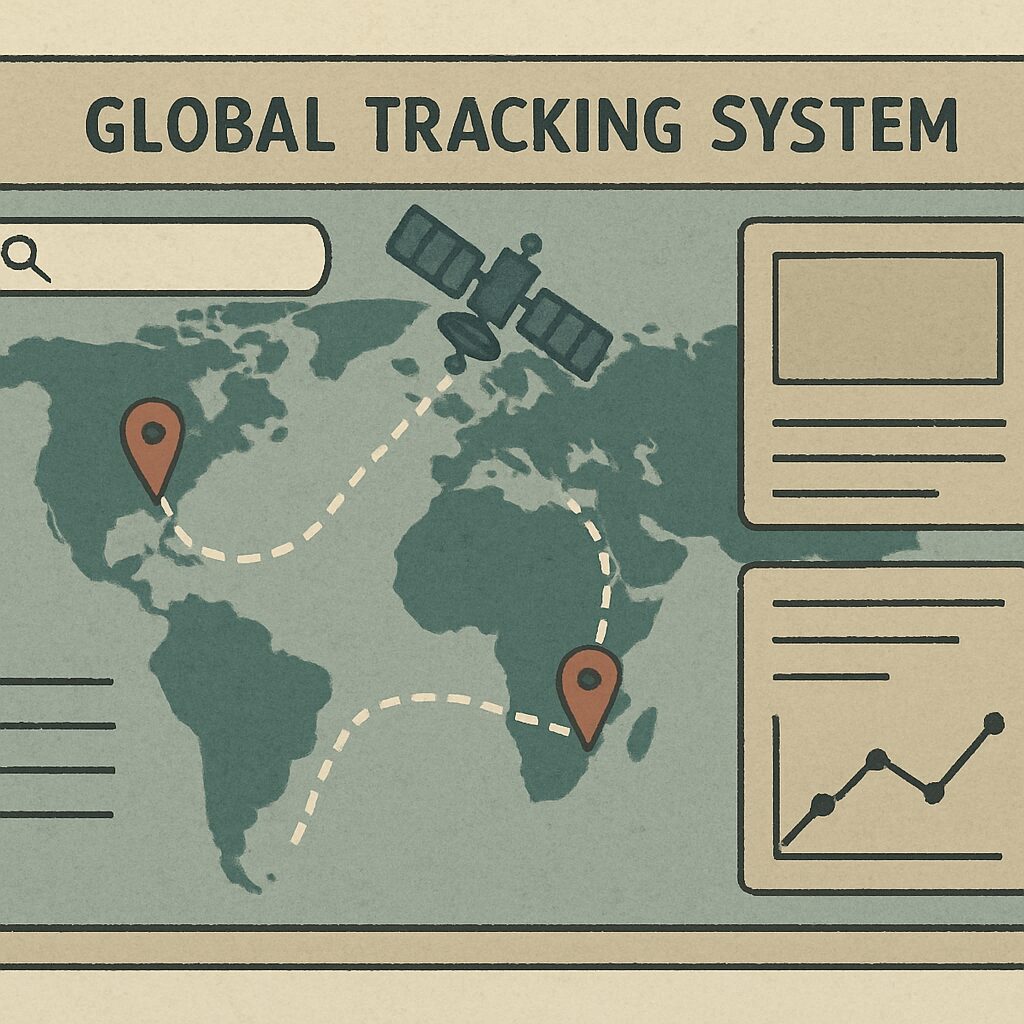
Transparency in the shipping process is now essential. Consumers want real-time updates on their orders. Providing tracking information builds trust and enhances the customer experience.
To meet these demands, businesses are investing in advanced technologies. Innovations like predictive analytics optimize delivery routes, reducing delays. Robotics and drones are being explored to further expedite delivery.
Key shipping expectations include:
- Faster delivery times
- Real-time tracking and updates
- Reliable and consistent service
Shippers who meet these expectations gain a competitive edge. Offering an efficient shipping experience can differentiate a business in a crowded market. As the importance of seamless logistics grows, businesses must adapt. Those that prioritize shipping performance will succeed in the global ecommerce arena.
Personalization and Localization: Meeting Diverse Consumer Needs
In 2025, personalization will be more than a trend—it’s a necessity. Consumers expect brands to understand their unique preferences and needs. This means tailored recommendations and offers that resonate personally.
Localization goes hand in hand with personalization. International shoppers want experiences that feel native. Translating websites and adjusting content to fit cultural contexts is essential.
Businesses are leveraging data to deliver these personalized experiences. By analyzing consumer behavior, companies can create targeted marketing campaigns and product offerings. This data-driven approach enhances customer engagement and satisfaction.
Key aspects of personalization and localization include:
- Tailored product recommendations
- Culturally relevant marketing content
- Multilingual support
Meeting diverse consumer needs requires a deep understanding of local markets. Businesses that embrace this approach will foster stronger connections with their customers. Those who fail to do so might miss out on valuable opportunities in the global ecommerce landscape.
Payment Preferences: Security, Diversity, and Convenience
By 2025, payment preferences in cross-border ecommerce will cater to diverse consumer needs. Shoppers will demand secure transactions, ensuring their data remains protected. Companies must invest in robust security measures to build trust with international customers.
Diverse payment options will also be essential. Consumers expect to use their preferred payment methods, ranging from credit cards to digital wallets. Offering a variety of options will be crucial to accommodate global shoppers.
Convenience is key to a seamless payment experience. Consumers want quick and easy checkouts without hurdles. Businesses should streamline their payment processes to minimize friction and reduce cart abandonment.
Key payment expectations include:
- Strong security protocols
- Various payment options
- Simplified checkout process
Overall, meeting these payment preferences will enhance customer loyalty and satisfaction, positioning companies for success in the global market.
Sustainability and Ethical Practices: A Rising Priority
Sustainability will play a major role in cross-border ecommerce by 2025. Consumers are increasingly conscious of their environmental impact. They expect brands to adopt eco-friendly practices.
Ethical sourcing and fair trade practices will gain importance. Shoppers demand transparency about product origins and the ethical treatment of workers. Businesses that fail to meet these expectations risk losing customers.
To remain competitive, companies must integrate sustainability into their operations. This can include using recyclable packaging and implementing carbon-neutral shipping options.
Key sustainability focuses include:
- Eco-friendly packaging solutions
- Transparent supply chains
- Ethical labor practices

by Bhautik Patel (https://unsplash.com/@bhautik_patel3)
Embracing these practices not only satisfies consumer demands but also contributes to a more sustainable global market.
Technology and Innovation: AI, AR, and Blockchain in Cross-Border Ecommerce
Technological advancements will transform cross-border ecommerce by 2025. Artificial intelligence will enhance personalization and improve customer service. AI-driven recommendations will allow businesses to create tailored experiences for global consumers.
Augmented reality will change how customers interact with products online. With AR, shoppers can visualize products in their environment, boosting confidence and reducing returns. This technology will become a critical tool for ecommerce platforms.
Blockchain technology will offer transparency and security in transactions. It will streamline cross-border payments, reducing fraud and improving trust among parties. As a result, businesses will see increased consumer confidence.
Technological trends to watch:
- AI-driven customer service
- AR for enhanced shopping experiences
- Blockchain for secure transactions
Overcoming Barriers: Language, Culture, and Regulation
Cross-border ecommerce faces language and cultural challenges. Businesses must offer multilingual support to effectively engage diverse customers. This means making websites and customer service accessible in multiple languages.
Understanding cultural nuances is vital for success. Marketing strategies should be tailored to local customs and values to resonate with international audiences. This approach builds trust and fosters stronger customer relationships.
Regulatory compliance varies by country and affects business operations. Companies need to navigate complex laws and maintain adherence to avoid penalties. Key areas include taxation, data protection, and import/export regulations.
Barriers to address:
- Language localization
- Cultural awareness
- Regulatory compliance
By effectively overcoming these barriers, businesses can thrive in the global market.
Building Trust: Customer Service, Returns, and Brand Reputation
Customer trust is critical for cross-border ecommerce. Reliable customer service builds this trust by addressing concerns promptly and effectively. Companies should provide 24/7 support to accommodate different time zones.
Handling returns is another vital aspect. A straightforward and efficient return process reassures buyers. It shows the company’s commitment to customer satisfaction and builds loyalty.
Brand reputation heavily influences purchasing decisions. Transparent business practices and consistent quality help establish a solid brand image. Businesses should focus on maintaining positive reviews and leveraging customer testimonials.
Key trust-building factors:
- Responsive customer service
- Easy returns process
- Strong brand reputation
Focusing on these elements can foster customer loyalty and enhance market presence.
The Future of Cross-Border Ecommerce: Strategies for Success in 2025
Adapting to the future of cross-border ecommerce requires strategic planning. Businesses must anticipate market changes and consumer demands to stay competitive. Agile business models will enable companies to pivot quickly as conditions shift.
Investing in technology and innovation is crucial. By harnessing tools like AI and big data analytics, businesses can optimize operations and tailor customer experiences. This technological edge will drive efficiency and customer satisfaction.
Building strategic partnerships is another key strategy. Collaborating with local providers and market leaders can enhance distribution networks and market access. These alliances will be essential for overcoming regional challenges and expanding global reach.
Consider these success strategies:
- Embrace technology and innovation
- Build strategic partnerships
- Adopt agile business models
Implementing these strategies will position businesses for sustained growth in 2025.
Conclusion: Preparing for the Next Era of Global Ecommerce
The cross-border ecommerce landscape is poised for dynamic growth by 2025. To thrive, businesses need to adapt swiftly to emerging trends and diverse consumer expectations. This requires a keen eye on global market insights and innovative strategies.
Businesses that focus on enhancing customer experiences, leveraging technology, and fostering trust will lead the pack. By integrating sustainable practices and robust security measures, they can meet the demands of a more conscientious consumer base. Preparing today will ensure success in the evolving world of global ecommerce tomorrow.